
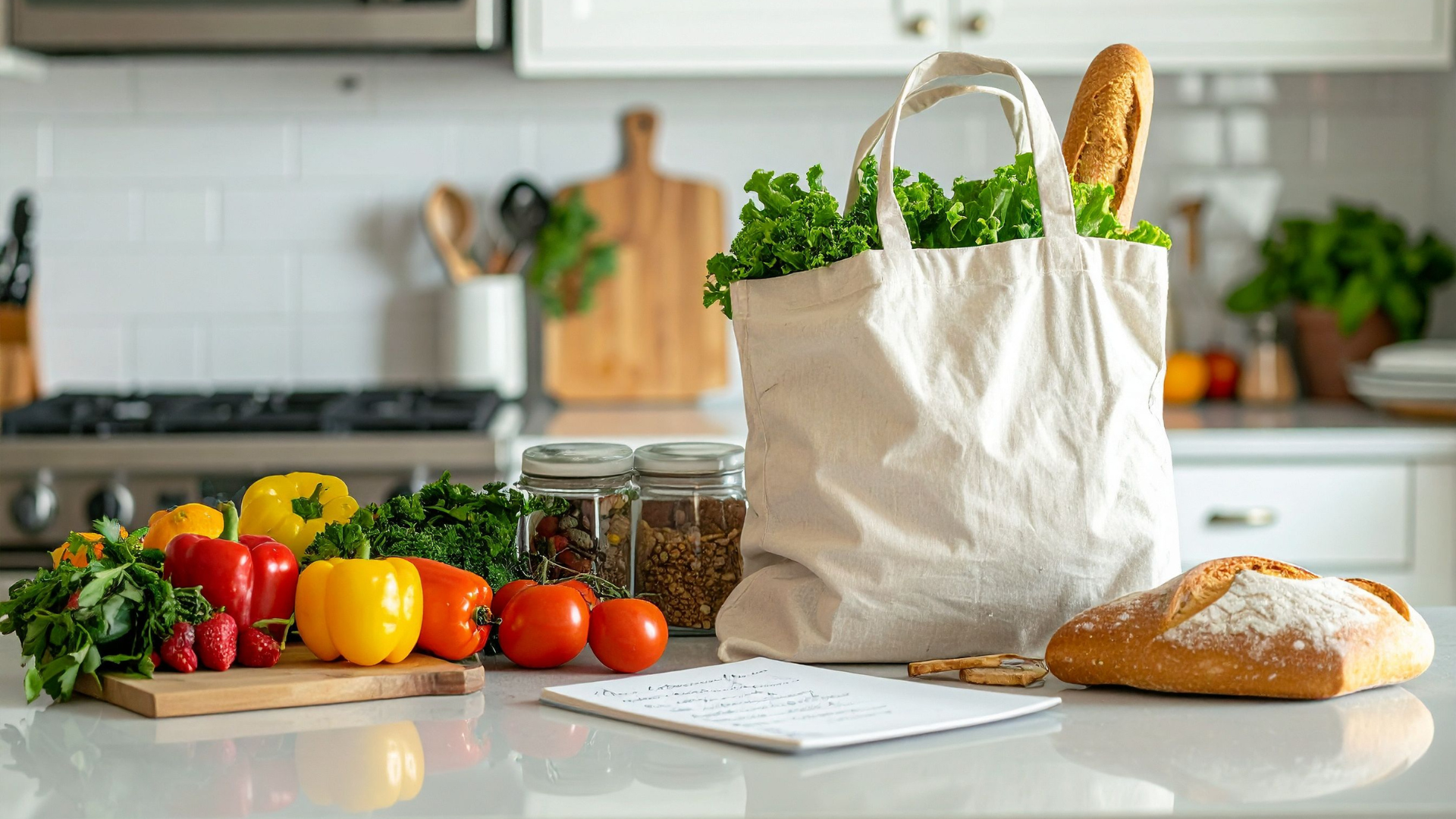
Good nutrition doesn’t have to drain your wallet. With a little planning and some smart swaps, you can feed yourself and your family well without spending a fortune. Here’s how to eat healthy on a budget — no fancy ingredients required.
What Does “Healthy on a Budget” Really Mean?
Healthy eating on a budget means choosing whole, nutrient-dense foods that give you the most value for your money. It’s less about fancy superfoods and more about simple staples that have fueled people for generations.
It also means being intentional. When you plan ahead and shop smart, healthy meals become a regular part of your routine rather than a happy accident. This kind of forward thinking is similar to how preventive care works, including regular screenings, where small steps taken early can support long-term health and help you stay ahead of potential issues.
Smart Shopping Strategies That Stretch Your Dollar
Knowing how to grocery shop on a budget is a skill that pays off every week. A few habits make a big difference:
- Shop with a list and stick to it
- Compare unit prices, not just sticker prices
- Buy store brands over name brands
- Purchase staples such as grains and beans in bulk
- Use the freezer to reduce food waste
- Check weekly sales and plan meals around them
- Avoid shopping when hungry
Good budget meal planning starts before you ever walk into the store. Taking 15 minutes each week to map out your meals can save you significant money and stress.
Affordable Foods That Deliver Big Nutrition
Building a nutritious diet starts with knowing which foods give you the most value for your money. The following four categories of affordable groceries are the backbone of any smart approach to everyday eating.
Budget-Friendly Proteins
Protein keeps you full and supports muscle, immune function, and more. These affordable options pack a serious nutritional punch:
- Eggs
- Canned tuna or salmon
- Dried or canned beans and lentils
- Tofu
- Plain Greek yogurt
Low-Cost Fruits and Vegetables
Fresh produce can be affordable, especially when you buy what’s in season. Frozen fruits and vegetables are just as nutritious and often cheaper. Good picks include:
- Bananas, apples, and oranges
- Carrots, cabbage, and sweet potatoes
- Frozen broccoli and spinach
- Canned tomatoes (look for low-sodium versions)
Filling Whole Grains
Whole grains provide lasting energy and important fiber. They’re some of the most affordable items on any budget grocery list:
- Oats
- Brown rice
- Whole wheat bread or tortillas
- Barley
- Quinoa (often available in bulk at a lower cost)
Healthy Fats
Healthy fats support brain health, help your body absorb key vitamins (A, D, E, and K), and provide long-lasting energy and satiety. You don’t need expensive oils or specialty items to get healthy fats in your diet:
- Peanut butter and other nut butters
- Sunflower or pumpkin seeds
- Canned sardines
- Avocado (when in season)
- Olive oil in small amounts
Simple Habits That Make Healthy Eating Sustainable
Some of the most effective strategies come down to simple routines that make daily decisions easier and more affordable. Here are a few practical habits that can help you stay consistent without adding extra stress or cost to your routine:
- Cook large batches and portion them out for the week
- Keep a running list of low-cost, healthy meals you enjoy
- Repurpose leftovers into new meals (roasted veggies become a grain bowl, for example)
- Keep your pantry stocked with versatile staples
- Try one new budget meal idea each week to keep things interesting
Over time, these healthy eating tips help you build a routine that supports both your budget and your overall well-being.
Healthy Eating as Part of Your Overall Health Plan
Affordable, healthy foods are the foundation of a strong health routine. When you eat well consistently, you give your body the tools it needs to feel and function at its best.
Budget constraints can make food choices feel limiting, but they can also lead to more intentional spending and planning. Focusing on affordable, nutrient-dense foods often encourages simpler meals and more consistent habits over time.
These habits can support better management of chronic conditions such as diabetes or high blood pressure, especially when paired with guidance from your integrated care team.
Take the next step today by choosing a few budget-friendly meals and turning them into a focused grocery list you can stick to.
About Mountain Laurel Medical Center
Mountain Laurel Medical Center is a federally qualified community health center dedicated to providing the highest-quality primary health care to our community, regardless of ability to pay. Operating in multiple offices across Maryland and West Virginia, we offer a full spectrum of services, including primary care, behavioral health and psychiatry, chronic disease support, diagnostic imaging, lab work, in‑house pharmacy, registered dietitian counseling, insurance enrollment assistance, and even a mobile community wellness van to reach rural populations.
We offer a sliding fee scale and 24/7 after-hours phone access, consistently earning high-quality recognitions, such as Health Resources and Services Administration badges and Patient‑Centered Medical Home designations.
Looking for personalized guidance? Contact us to learn how we can support your family’s health goals with affordable, high-quality care.
